CCTV security designed around Vagator properties
Vagator combines busy hospitality areas with steep roads, cliff-side or hillside properties and quieter residential pockets. Split levels, changing guest traffic and low-light approaches make careful camera positioning important.
WatchGrid designs, installs, commissions, repairs and maintains CCTV systems for boutique hotels, hostels, restaurants, villas, holiday rentals and hillside homes. The site visit follows the routes people and vehicles actually use, then distinguishes between a broad overview and footage intended to identify a person, vehicle or event.
What we assess on site
- Entrance, reception and parking coverage
- Stairs, ramps and split-level circulation
- Pool approaches without intrusive views
- Night identification around hospitality access
- Spare capacity for future expansion
We map level changes and the direction people approach each entrance. A camera that gives a good overview from above may not identify a face, so tighter views are added at natural pause points such as gates, reception or controlled doors.
A hillside property has vertical blind spots
A camera mounted high above a ramp or stair may show movement but not a useful face. Vagator properties with changes in level need both a plan view and a walk-through of the way guests, staff and vehicles approach each entrance.
Hospitality systems also need privacy boundaries. Guest rooms and private accommodation remain excluded while entrances, reception, parking, shared corridors, pool approaches and service routes are assessed for a legitimate security purpose.
Completed WatchGrid project in Vagator
CCTV installation and remote monitoring for a boutique property
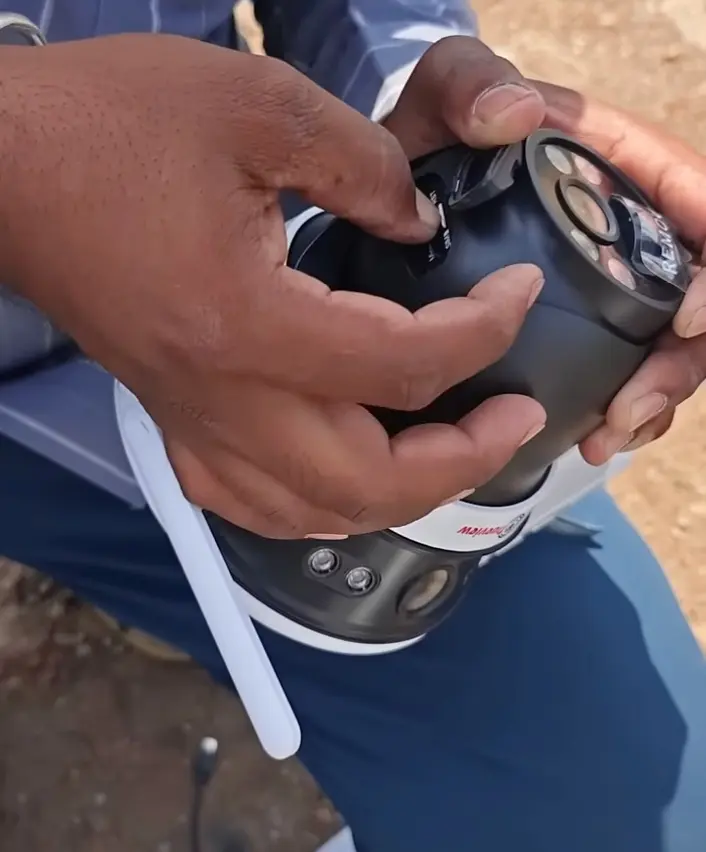
A boutique hospitality property in Vagator needed surveillance across its entrance, reception, parking, corridors, pool approach and service areas. WatchGrid designed a fourteen-camera CP PLUS IP system using 4MP cameras and central NVR recording. Important access points received overlapping coverage, while cameras in guest-facing areas were kept discreet and private accommodation was excluded. The property manager received secure access to live and recorded footage for use when away from the site. The recorder and PoE design also retained capacity for additional cameras as the property’s operating requirements develop.
Coverage for a boutique hospitality property
Overlapping views are reserved for important access points, while guest-facing camera positions are kept discreet and purposeful.
Level changes
Turns, stairs and ramps are checked for a useful face angle, not merely an overhead overview.
Pool approach
The objective is access and incident context without intrusive views of leisure or private accommodation.
Remote management
Authorised managers can receive secure live and playback access when away from the property.
Growth
Recorder and PoE capacity can allow later cameras if the property expands or an operational gap becomes clear.
Common CCTV mistakes at Vagator properties
- Relying on high overhead views at stairs
- Covering guest rooms or private leisure spaces
- Leaving split-level service routes outside the plan
- Giving all staff the same user credentials
- Filling every recorder channel during the first phase
A camera count or brand recommendation made before the property is understood can create impressive specifications but weak evidence. We confirm each view, its purpose, cable route, storage requirement and responsible user before commissioning.
Our CCTV installation process in Vagator
Property use and risk discussion
We establish how the site is occupied, which incidents matter, who uses each entrance and who needs live view, playback or administrative access.
Camera-view and route survey
We walk gates, approaches, parking, entrances, circulation and less-visible routes. Distance, day and night light, weather, privacy and maintenance access are checked.
System, storage and cable plan
The proposal identifies camera and recorder families, realistic storage, Cat6 or other links, PoE, power protection, installation scope, exclusions and expansion capacity.
Installation and commissioning
We test camera views, date and time, recording, playback, storage, remote access, user permissions and recovery after a power interruption before handover.
Support and preventive maintenance
Where required, AMC visits cover cleaning, alignment, recording and HDD health, network and PoE checks, exposed connections and a record of identified faults.
CCTV repairs and AMC in Vagator
WatchGrid can diagnose an existing system before recommending replacement. Checks may cover offline or intermittent cameras, damaged Cat6 or coaxial cable, failed connectors, PoE or power faults, DVR/NVR configuration, hard-drive health, incorrect time, playback and remote-viewing failures.
Periodic maintenance should prove that usable footage can be retrieved—not merely that cameras appear online. Learn more about CCTV repair and AMC in Goa.
CCTV service in and around Vagator
WatchGrid attends projects in Vagator and nearby localities including Chapora and Ozran. For dedicated local guidance, see Anjuna and Saligao.
These links reflect practical neighbouring service routes, not duplicate copies of this page. Each linked page addresses a different property mix and CCTV requirement. See the complete list of areas we cover in Goa.
CCTV questions from Vagator property owners and managers
Can a boutique hotel keep cameras discreet in guest-facing areas?
Yes. Compact camera types, thoughtful mounting and planned cable routes can reduce visual impact while maintaining useful coverage.
Can selected managers view only certain cameras?
Supported systems can provide separate accounts and selected-camera permissions. Access should be agreed as part of commissioning.
Can a Vagator hotel add cameras later?
Yes. The initial channel count, PoE capacity, storage and network plan should reserve realistic room for expansion.
How are steep approaches covered?
We review both the overview and the face angle at gates, turns, stairs and reception points.
Can pool areas be monitored appropriately?
Only where there is a legitimate safety or access purpose, with angles kept away from rooms and unnecessary close views of guests.